The Story of HMS King George V
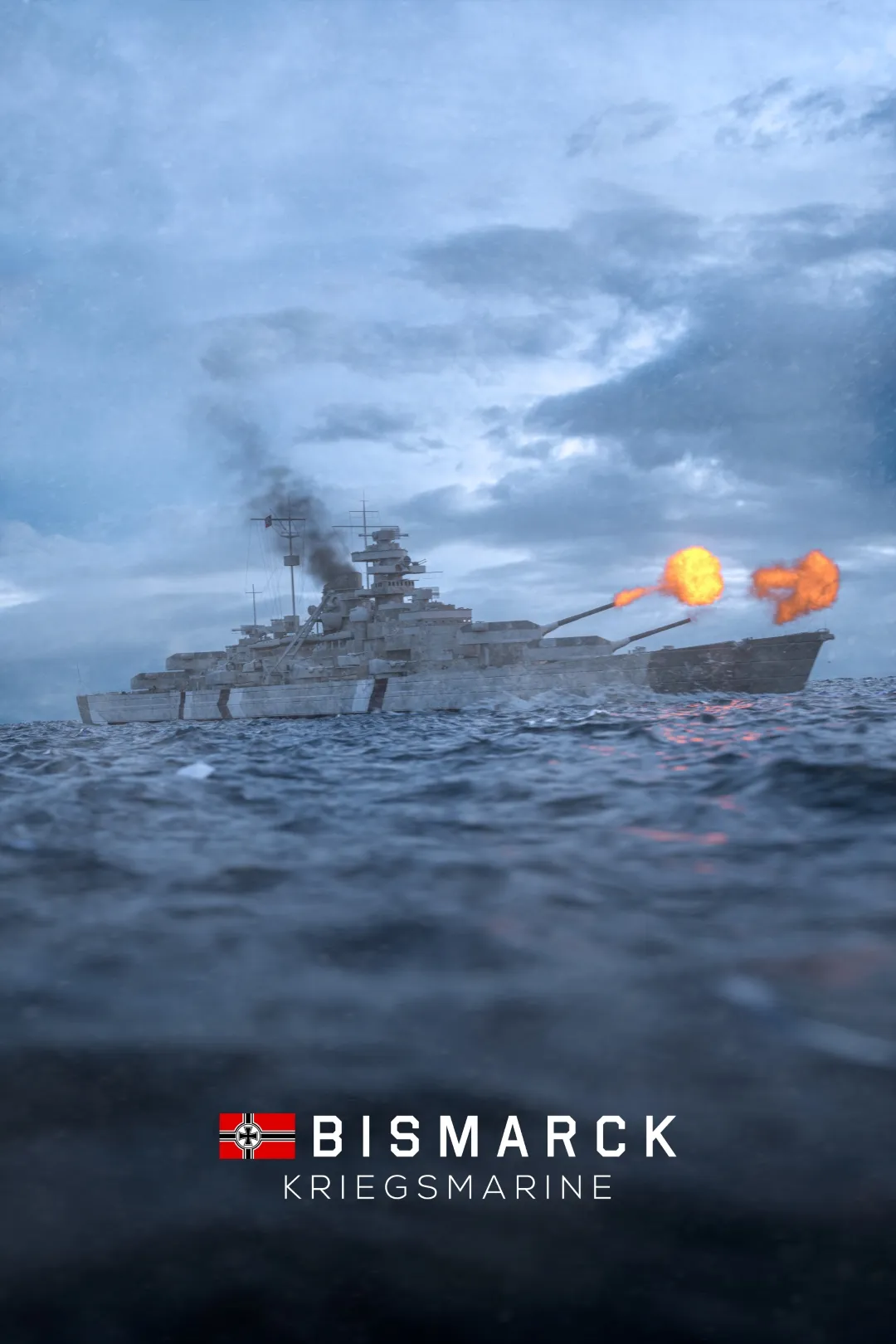
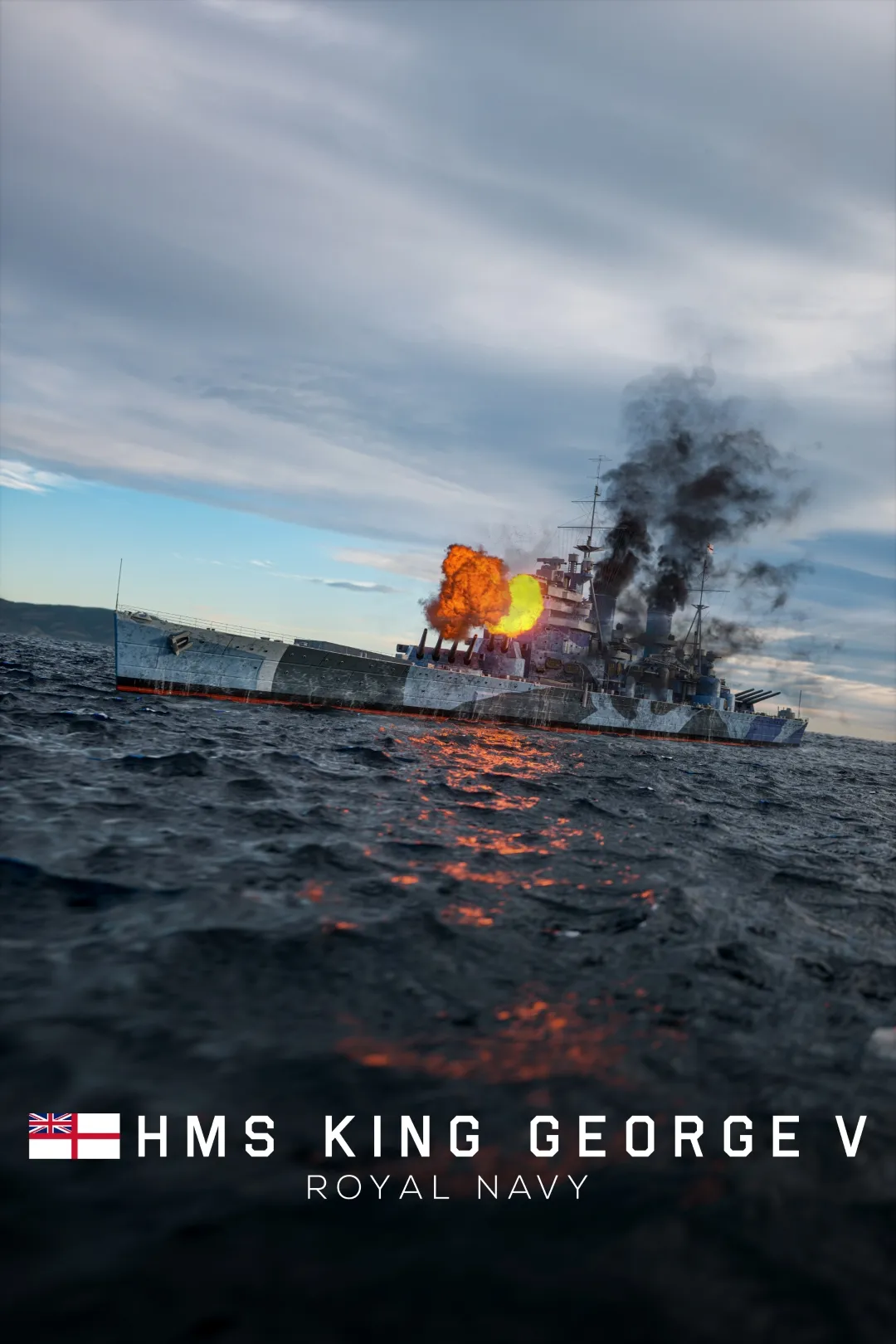
She was the namesake and lead ship of a whole new generation of British battleship, and she helped settle one of the most dramatic scores in naval history. HMS King George V — "KGV" to her crew — was a thoroughly modern battleship: ten 14-inch guns in an unusual arrangement of two quadruple and one twin turret, heavy armour, and the radar and fire control to use her guns well in any weather, by day or night. When she commissioned in late 1940, with Britain standing nearly alone, the Royal Navy needed her badly. Her defining moment came almost at once, in May 1941. After the German battleship Bismarck sank the beloved HMS Hood and shocked the nation, King George V became the flagship of the hunting force sent to destroy her, flying the flag of Admiral Sir John Tovey, commander of the Home Fleet. For days the chase ranged across the storm-tossed North Atlantic as Bismarck slipped her shadowers and ran for occupied France. Then a torpedo from a carrier aircraft jammed the German ship's rudder and left her steaming helplessly in circles, and the British heavy units closed in for the final reckoning. On the morning of 27 May 1941, King George V and the older battleship HMS Rodney fell upon the crippled Bismarck and pounded her into a flaming, broken wreck. KGV's 14-inch guns hammered the German ship at increasingly close range, smashing her turrets and superstructure, knocking out her guns and her command, until she was a silent, burning hulk. Cruisers finished her with torpedoes, and the Hood was avenged. King George V had played the central role in the destruction of the most powerful warship in the German navy. But her war was far from over. She served on through the hardest years, escorting the perilous Arctic convoys to the Soviet Union through ice, storm and U-boats; covering the Allied invasions of Sicily and Italy with the threat and the reality of her guns; and finally sailing east as part of the British Pacific Fleet, joining the Americans in the closing campaigns against Japan. There, in the war's last days, she bombarded the Japanese home islands themselves, her great guns reaching the enemy's own shores. And when it was over, King George V lay in Tokyo Bay among the assembled Allied armada for the formal surrender of Japan in September 1945 — present at the very end of the war she had helped fight from near its beginning. Few ships bracketed the conflict so completely. From the destruction of the Bismarck in 1941 to the surrender of Japan in 1945, from the freezing Arctic to the tropical Pacific, King George V was there for the defining moments, a workhorse flagship that did the Royal Navy's hardest jobs and did them well. To reconstruct HMS King George V is to capture that span — the modern battleship that avenged the Hood, guarded the convoys, supported the invasions, and stood in Tokyo Bay to witness the end. She was not the most glamorous ship of the war, but she may have been among the most consequential.
Reconstruction Pipeline
Frequently Asked About HMS King George V
What was HMS King George V?
The lead ship of Britain's modern KGV-class battleships, armed with ten 14-inch guns, and Admiral Tovey's flagship during the hunt for the Bismarck.
What is HMS King George V best known for?
Helping sink the Bismarck in May 1941, pounding the German ship into a wreck alongside HMS Rodney. She was also present in Tokyo Bay for Japan's surrender in 1945.
Where else did King George V serve?
She escorted Arctic convoys, supported the invasions of Sicily and Italy, and joined the British Pacific Fleet, bombarding the Japanese home islands late in the war.