German Heavy Cruiser Prinz Eugen Poster
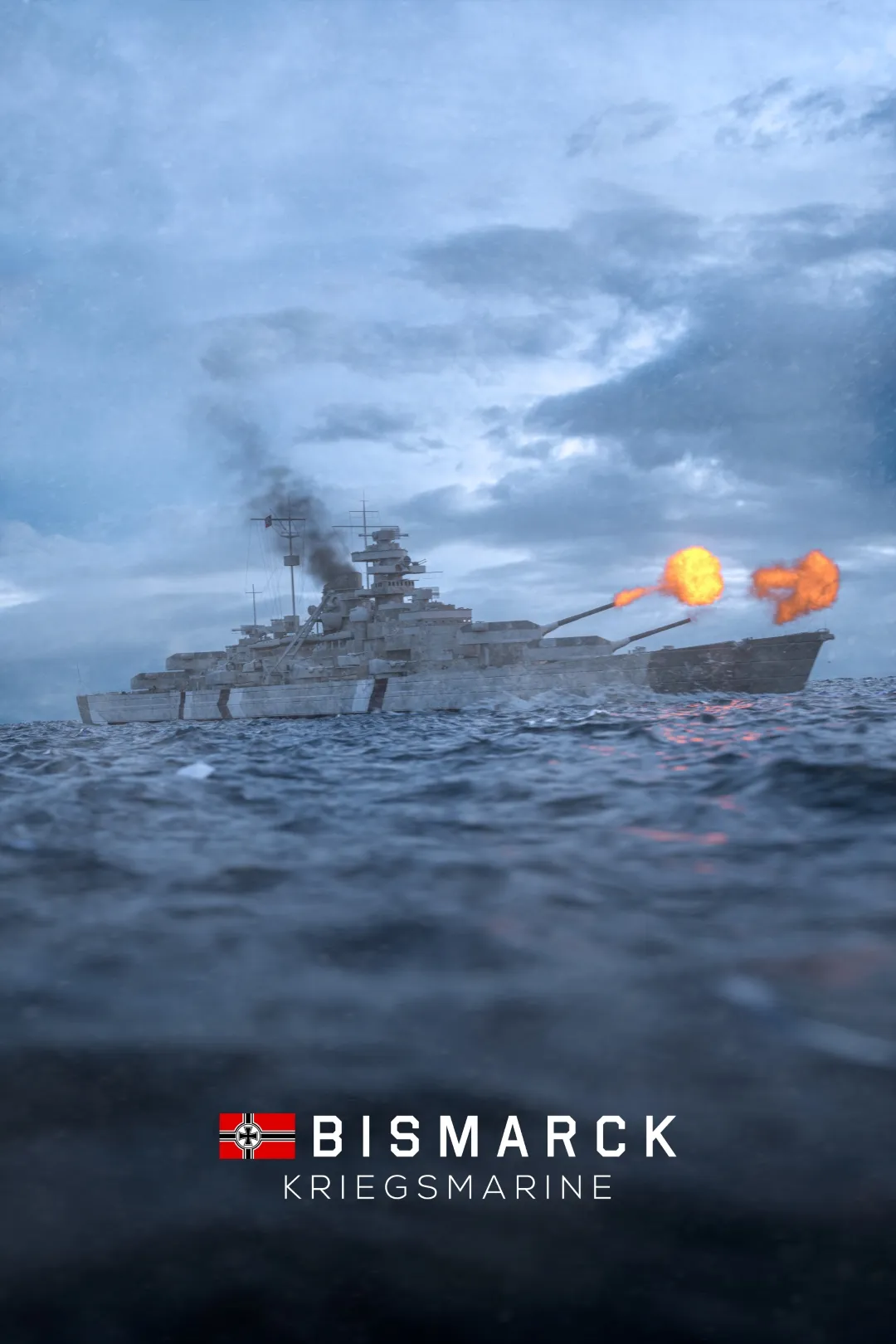
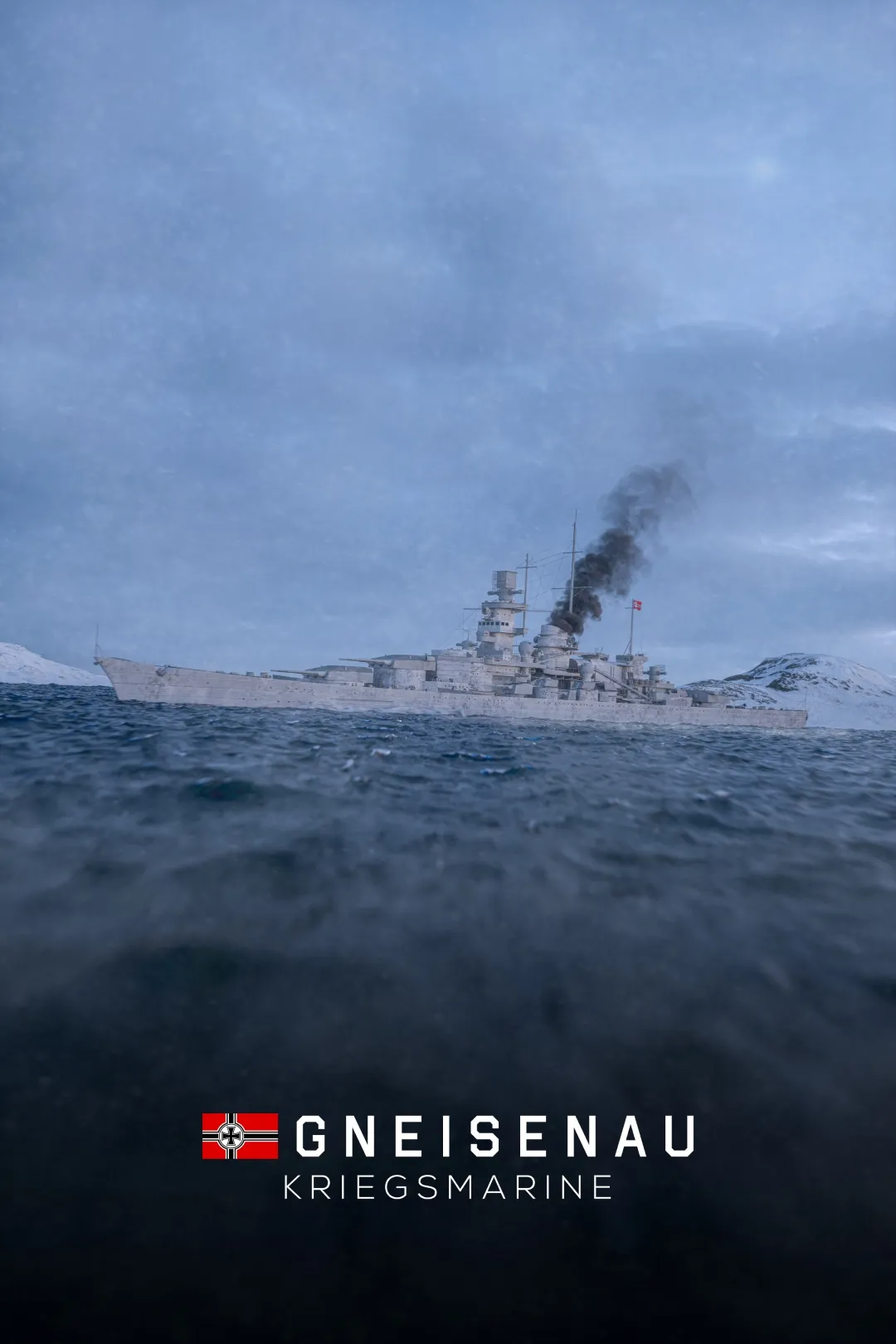
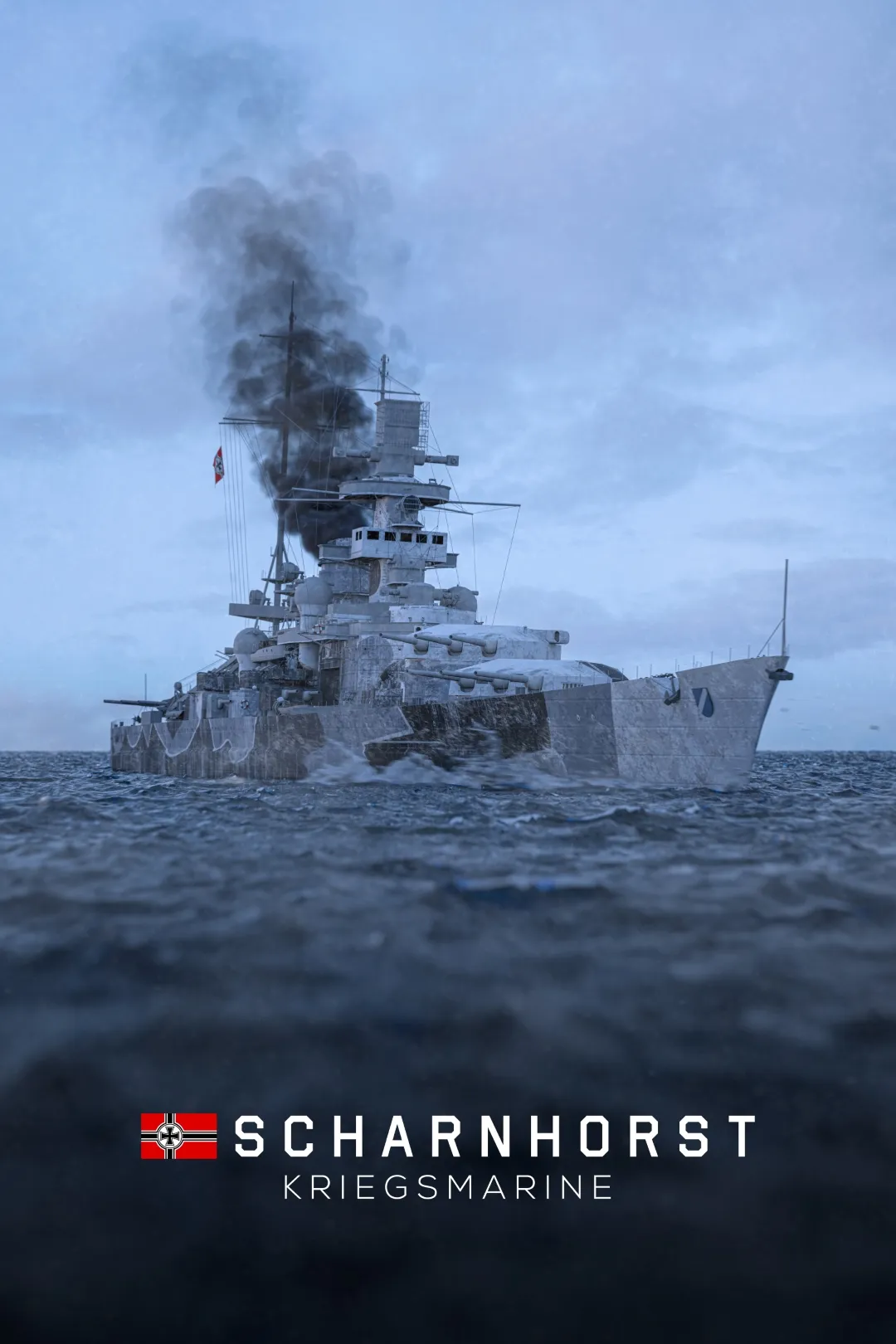
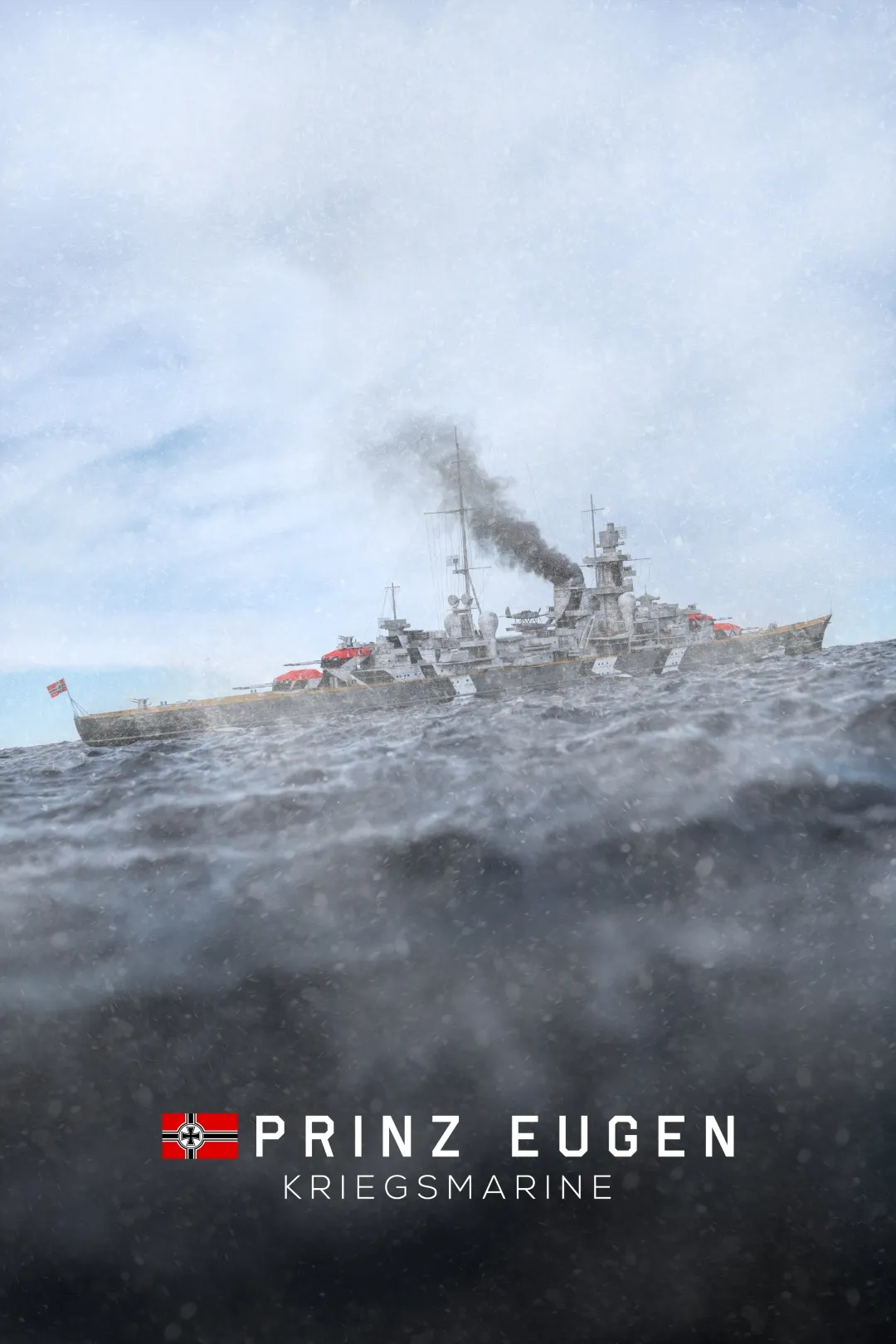
Some ships seem born under a charmed star, and Prinz Eugen was one of them. A sleek Admiral Hipper-class heavy cruiser, armed with eight 203 mm (8-inch) guns, she earned the grudging nickname "the lucky ship" by surviving battles, bombings, torpedoes and disasters that destroyed nearly everything around her — and then surviving something stranger and more terrible than any of them. Her moment of fame came in May 1941, when she sailed alongside the mighty Bismarck into the Denmark Strait. In the opening minutes of that famous battle it was Prinz Eugen's shells, as much as Bismarck's, that straddled and struck HMS Hood, and she may have started the fire that preceded the British battlecruiser's catastrophic explosion. When Bismarck was crippled and the Royal Navy closed in for the kill, Prinz Eugen was detached to continue the raid alone — and slipped away into the Atlantic unharmed, leaving her famous companion to her doom. Mechanical trouble cut her cruise short, and she made for Brest. There she joined Scharnhorst and Gneisenau, and in February 1942 ran the gauntlet of the English Channel in the daring Channel Dash, emerging intact once more. Her luck was tested again that same year when a British submarine put a torpedo into her stern off Norway, blowing off part of her tail — and still she survived, limping home for repairs and returning to service. For the rest of the war she fought in the Baltic, her heavy guns hammering Soviet forces on the Eastern Front as Germany collapsed inward, supporting the desperate evacuations of refugees and soldiers from the advancing Red Army. When the war ended, Prinz Eugen was one of the very few major German warships still afloat and operational — a survivor where almost all her contemporaries had been sunk. The Americans took her as a war prize, and her final voyage carried her across the world to Bikini Atoll in the Pacific. There, in 1946, she was anchored among the target ships for Operation Crossroads, the United States' atomic bomb tests. Two nuclear blasts thundered over the lagoon — an air burst and an underwater detonation — and still she would not sink. The lucky ship had outlived two world wars and now defied the atomic age itself. Only weeks later, too radioactive to be repaired or saved, did she finally roll over and settle in the shallows. Her hull lies there to this day in Kwajalein lagoon, capsized in clear water, one great propeller raised above the surface like a monument — a relic recovered and displayed in Germany years later. Few warships have lived a life so improbable: present at the death of the Hood, escaping the hunt for the Bismarck, dashing through the Channel, surviving a torpedo and the full fury of the war, and then enduring two atomic bombs before the sea finally took her on its own terms. To reconstruct Prinz Eugen is to capture the ship that simply would not die — the luckiest steel ever to fly the German naval ensign.